inequality
overview
- why inequality matters ?
- a long term perspective of inequality
- concluding remarks
why inequality matters
what is inequality ?
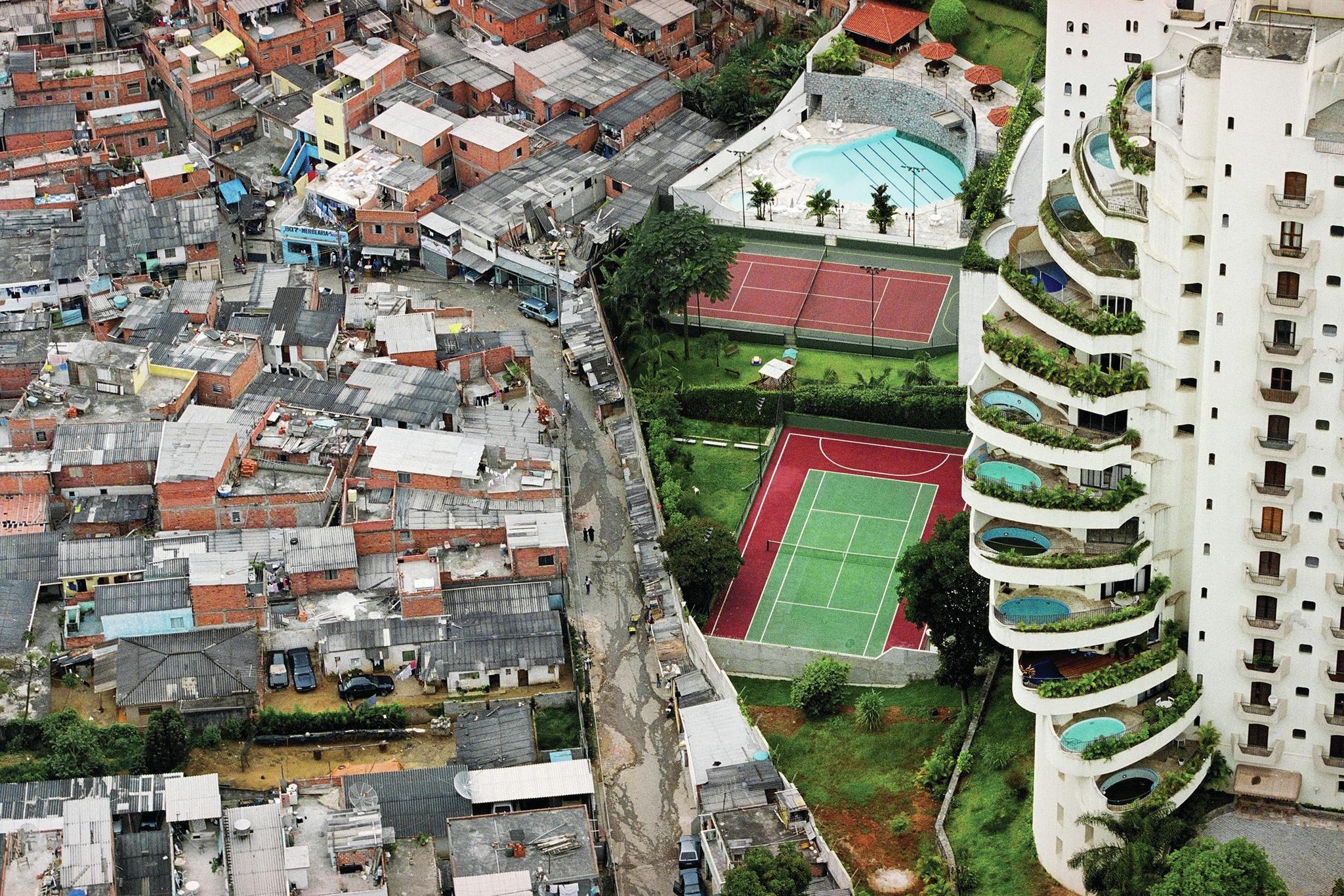
- inequality of income
- inequality of wealth
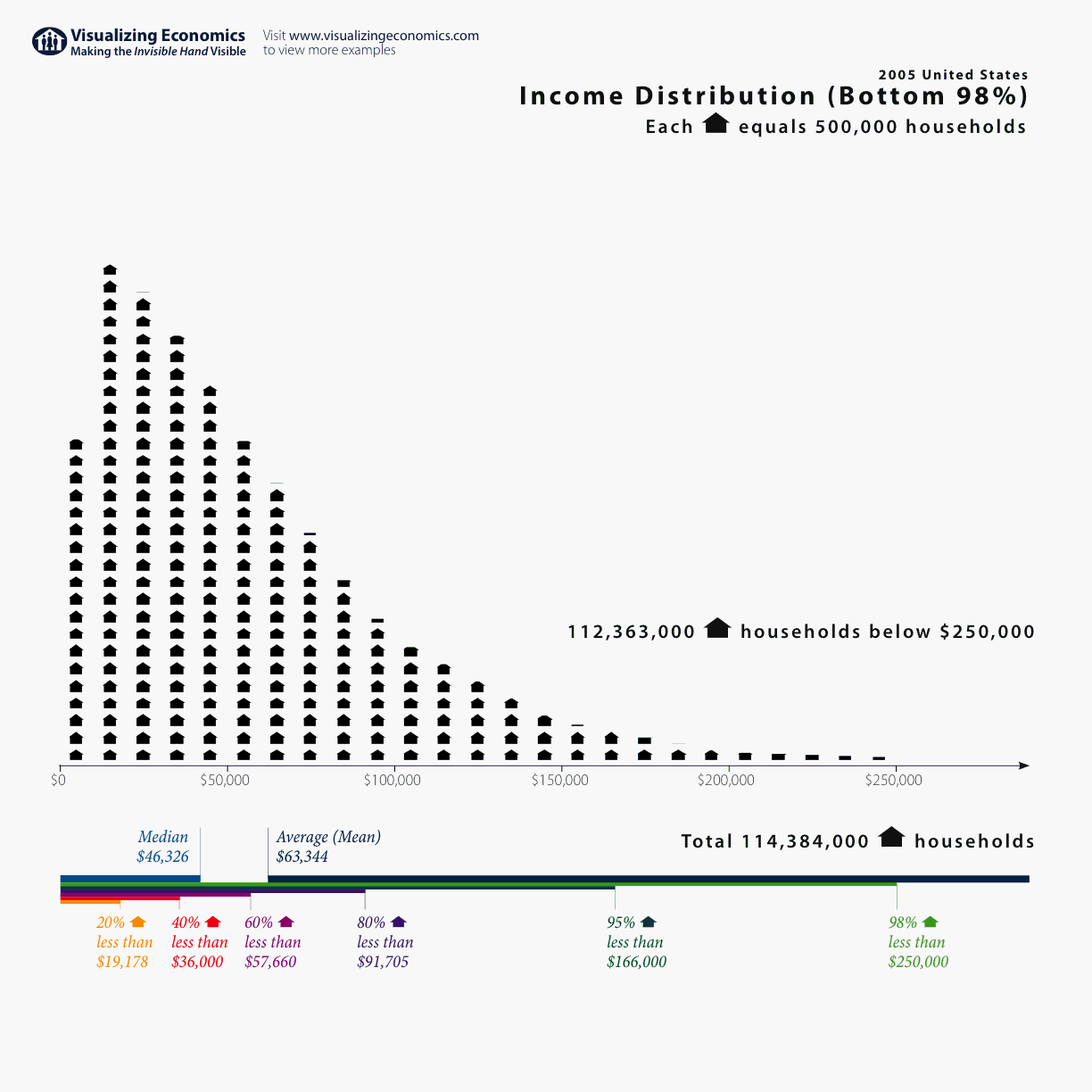
what is inequality ?
- x-axis : each interval is a bracket of income : [0, 5000], [5001,10000], ...
- y-axis : number of households that are in a given bracket
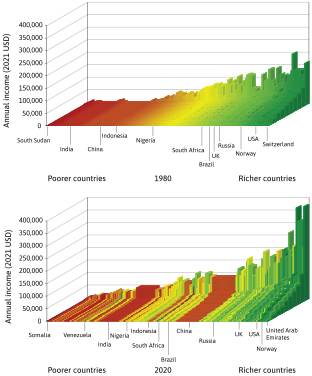
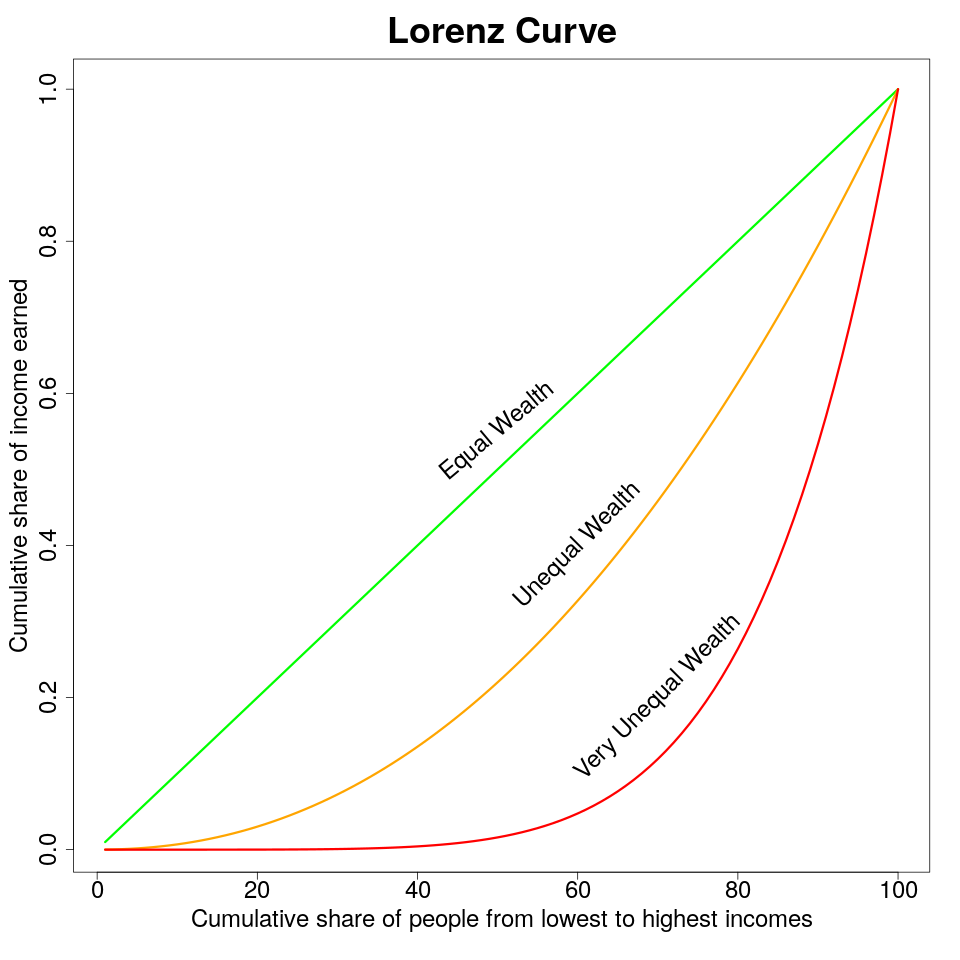
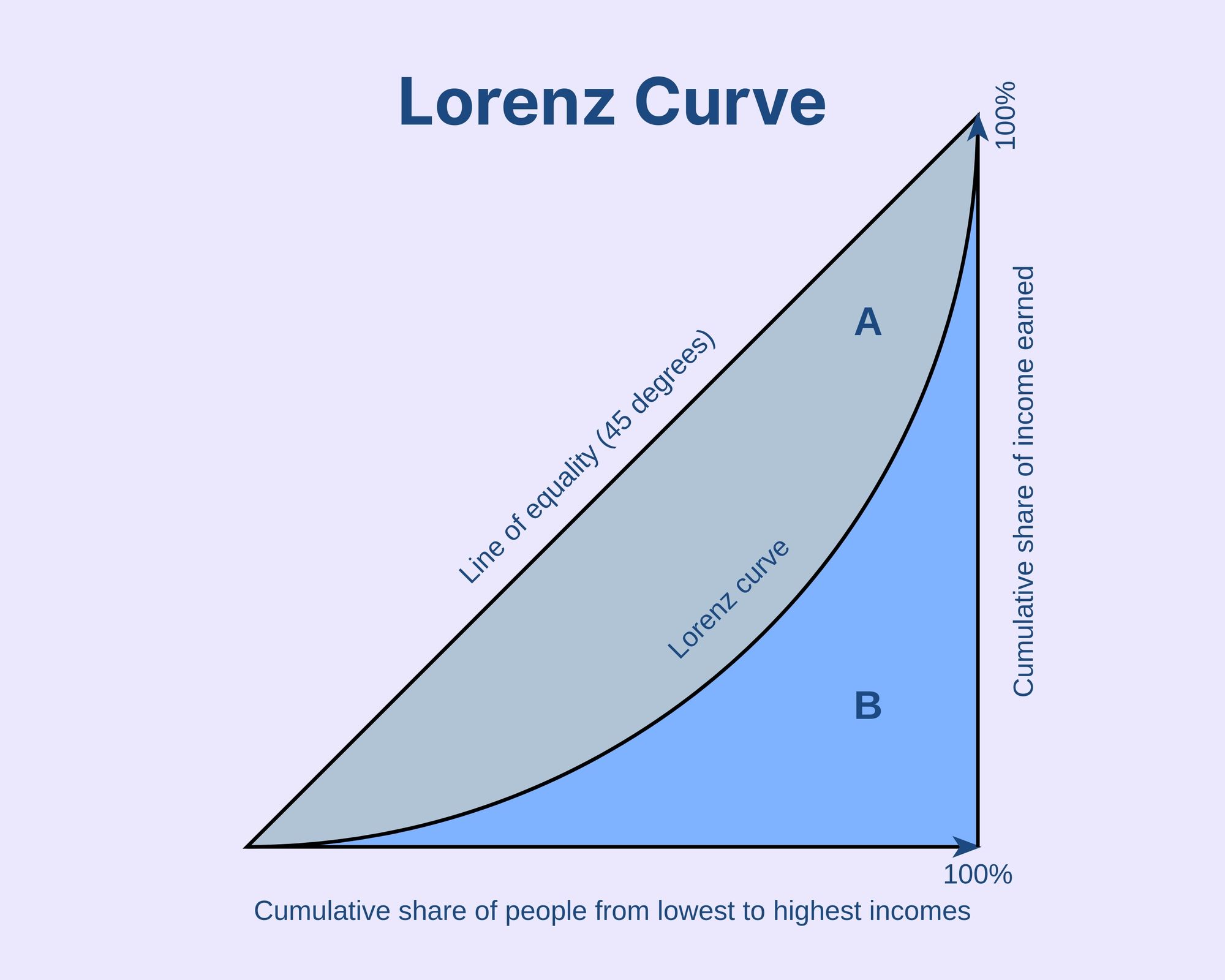
Gini coefficient
$ Gini = \frac{ A }{ A + B } $
Gini coefficient : Luxembourg
Gini coefficient : United States
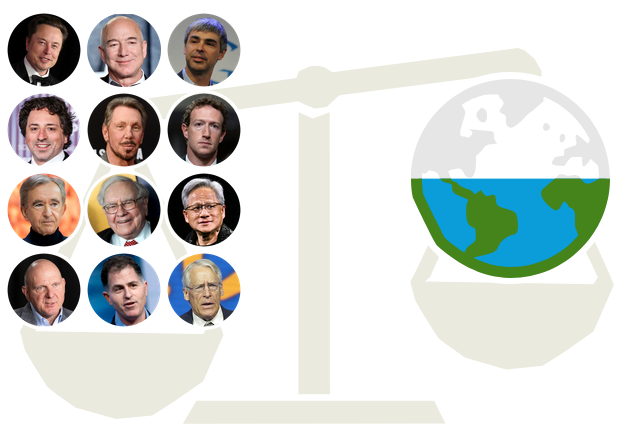
The world's 2,153 billionaires have more wealth than the 4.6 billion people who make up 60 percent of the planet's population.
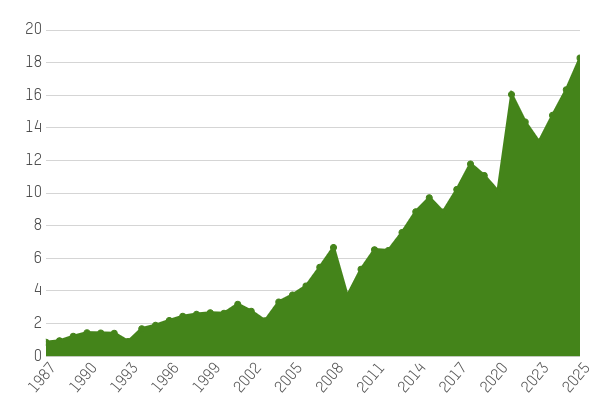
Billionaires' wealth rises to $10.2 trillion amid Covid crisis.
Capital in the twenty-first century by Thomas Piketty
- at global level, 1% of population has more than twice as much wealth as 6.9 billion people
- 70% of the population account for just 3% of the world's wealth
- in USA : the richest 10% possess more than 72% of the national wealth
- in F, DE, UK, IT : the richest 10% possess around 60% of the national wealth, while the poorest 50% of the population have a low income
... the United States at the moment has a record level of inequality of income from labor (probably higher than in any other society at any time in the past, anywhere in the world, including societies in which skill disparities were extremely large)
in the United States
- continuous economic growth
- wealthiest have accumulated more than before
- poorest 50%, income has stagnated or decreased
- between 1979-2007, the real income of :
- wealthiest 1% : tripled
- middle class : +25%
understanding
inequality
study of the accumulation of resources
study of the accumulation of resources
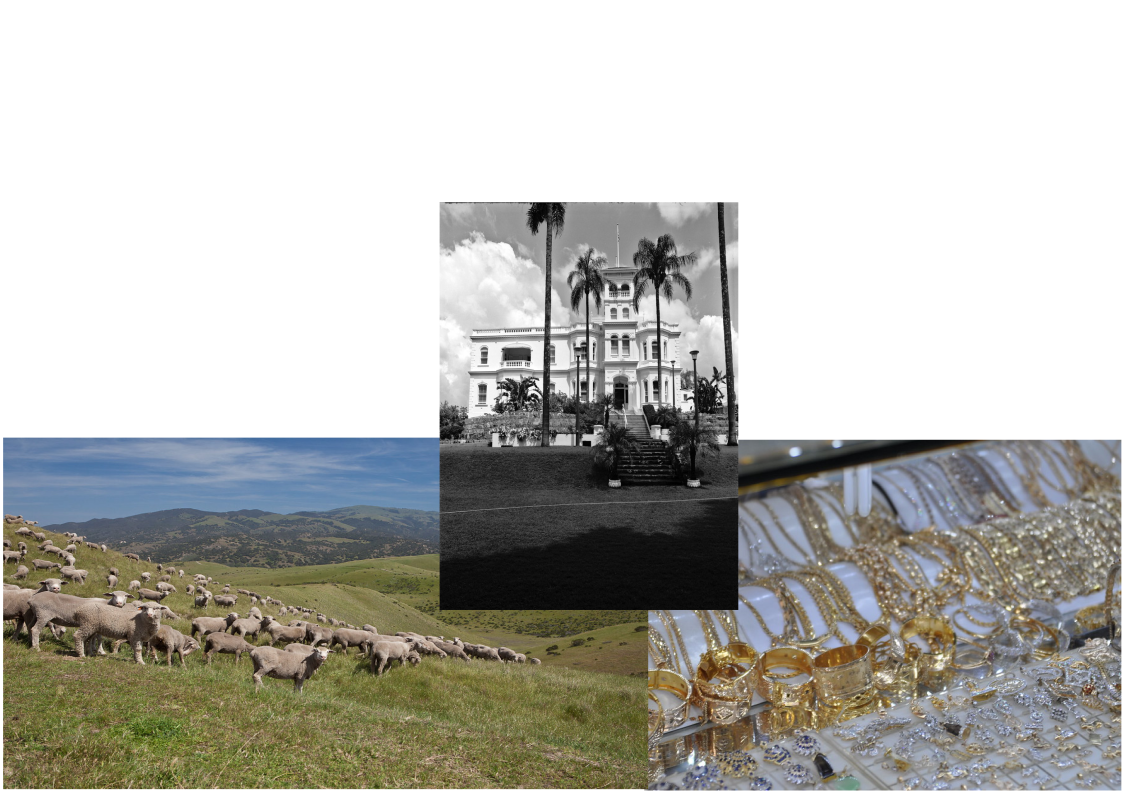
study of the accumulation of resources
study of the accumulation of resources
study of the accumulation of resources
- mechanisms of transmission across generations
- quantify the different classes of wealth
- material wealth : goods that can be possessed and accumulated (i.e. land, livestock, household, objects, ...)
- embodied wealth : health, immunity, physical strength, body weight, knowledge, practical skills, ...
- relational wealth : individual social links that derive from social status or family ties
transmission of material goods between generations
- inheritance : material wealth and relational wealth are likely more important in the emergence and persistence of inequality
- 'ownership rights' vs. 'use of' : ownership rights in land and stock are more significant factors in determining levels of inequality than the use of domesticated animals itself
study of inequality
- analysis of quantitative data from the :
- foraging group
- agriculturalist group
- pastoralist group
- most of human evolutionary history, humans have been foragers or hunters & gatherers
- foragers are constantly on the move and therefore cannot accumulate goods or even food
- forager societies were more egalitarian than agriculturalist & pastoralist groups
- sustained economic inequalities usually leave archeological signatures (i.e. rich tombs, ...)
understanding inequality in teh distant past
- archeological signatures : tombs, ...
- absence of many signatures prior to the Neoloithic : interpreted as evidence of scant economic differentiation between and within foraging groups
- how well can we extrapolate present day anthropological data to the past ?
$ \longrightarrow $ are modern forager groups comparable to those of the past ?
elaborate graves of the Upper Paleolithic
long before permanent settlement or agriculture
- Sunghir near Vladimir (Russia)
- Dolní Vestonice (Czechia)
$ \longrightarrow $ example how scientists may misinterpret findings
survey of surnames and income among present-day Swedes
- no aristocratic houses created after the 17th century
- all noble surnames transmitted only through male relatives from past aristocrats
$ \longrightarrow $ surname is still a good predictor of social status in 21st century Sweden
$ \longrightarrow $ even in a model of social democracy, social mobility is lower than expected
consequences
of inequality
what can we expect in the future ?
- aging of the population
- globalization
- migratory movements
- climate change
- pandemics
$ \longrightarrow $ state resources must be shifted from redistributive policies to basic public services
$ \longrightarrow $ inequality is likely to grow !
what can we expect in the future ?
- new technologies
- industrial automation
$ \longrightarrow $ income gap between qualified & unqualified workforce will increase
$ \longrightarrow $ inequality is likely to grow !
impact of inequality on society
- health, prosperity, life expectancy
- higher chance of becoming obese, sick, psychologically afflicted, and populate prisons
- more likely to die young during pandemics
- affects productivity due to the large cost of maintaining public health systems and security enforcement
- in the long run : will favour the emergence of authoritarianism or advent of political extremism
four mechanisms for correcting inequality (Walter Scheidel)
- war
- revolution
- state collapse
- deadly natural disaster
four mechanisms for correcting inequality
1. war
- conflicts are financed through increase in taxes (up to 90%)
- social mechanisms for the underpriviledged classes to compensate for the cost in human lives
four mechanisms for correcting inequality
2. revolution
- erases the ruling social class in a quick and effective way (i.e. Russian and Chinese Revolutions, Great Depression in the U.S.)
- not always effective in modifying inequality (i.e. French Revolution was not, see Piketty)
- 55% of private property in 1780
- 49% of private property in 1810 (Napoleon)
four mechanisms for correcting inequality
3. state collapse
fall of Western Roman Empire :
impoverishement of the entire population
four mechanisms for correcting inequality
4. deadly natural disaster
- indiscriminatly affects whole society
- Black Death : freed few surviving workers but social order remained unchanged (inequality fell)
four mechanisms for correcting inequality
- war
- revolution
- state collapse
- deadly natural disaster
none of these four mechanisms that have operated in the past will have the same effect on modern inequality
$ \longrightarrow $ modern inequality is much more complex and interconnected on a global scale
social psychology and
moral economics
inequality as a problem
to which extent do people view inequality as a problem that needs to be adressed?
- what really seems to worry people is not inequality but instead economic unfairness
- in situations of conflict between 'justice' and 'equality', people prefer fair inequality over unfair equality
the 'ultimatum game'
- two players share $10
- one makes a single final offer to the other, who may accept or reject it
- if rejected, both players are left with nothing!
- if the proposal is not fair, it is preferable to punish the greedy player, leaving them with nothing
a perception of fairness is a fundamental element in human exchanges, even more than rationality
conclusion from the 'ultimatum game'
- economic transactions are largely based on emotional reactions in human societies
- researchers suggest that an idea of equity exists because it has been naturally selected in humans as the best psychological strategy to be integrated into a cooperative environment in which humans evolved
$ \longrightarrow $ if fairness and equity - as well as inequality and inequity - are so prevalent, they might have a biological basis
literature
nowadays, the return of financial capital is much higher than what is yielded by economic growth (equivalent to human capital) - a process that in turn enables wealth to accumulate faster.
evolution of the share of wealth of the richest 10% in European societies : 1300 - 2010
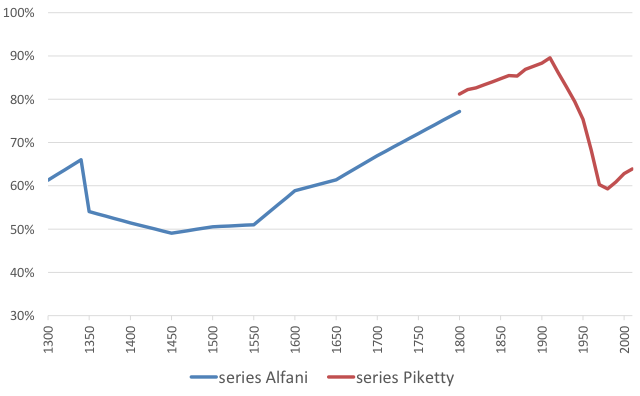
The figure shows the Alfani series (in blue) together with the Piketty series (in red).
Source: Alfani 2017
evolution of the share of wealth of the richest 10% in European societies : 1300 - 2010
- two episodes of significant decline in inequality
- Black Death (1347)
- WWI and WWII (1914-1945)